Peptide Coa Guide Just How To Check Out Screening Records
Certificates Of Evaluation Coa Confirm Peptide Purity
Each set is manufactured under stringent quality assurance with recorded procedures at every action. Products provided by Peptides Source are not approved by the united state . These items have not been assessed by the FDA for security, effectiveness, diagnosis, therapy, avoidance, or treatment of any kind of disease or medical problem.- A high-grade peptide typically creates a leading primary optimal with minimal secondary tops.
- Suit this number to the COA header to ensure you are watching the appropriate report.
- In many cases, purchasers will certainly see approaches such as HPLC for pureness reporting and, when available, LC-MS for identity-related verification.
- By understanding exactly how to read and interpret COAs, scientists can make informed choices regarding their experiments and the dependability of their results.
- This guide explains exactly how to check out a certification of analysis in plain English.
What Is The Distinction In Between Hplc And Lc-ms?
By systematically evaluating pureness information, identification confirmation, and contaminant testing results, you can make informed choices about product reputation and distributor integrity. Within the peptide sector, purity degrees Laboratory Storage above 90-- 95% are usually thought about high for research-grade products. Our inner screening aims for a standard of 99.1% purity making use of verified HPLC techniques, and most of our sets satisfy or exceed this degree.
What Is Peptide Web Content?
In easy terms, HPLC is usually utilized for pureness coverage, while LC-MS can include an additional layer of identity-focused context. A peptide Certification of Analysis (COA) is just one of one of the most vital records buyers assess when examining study peptides. A Certification of Analysis is a detailed record that confirms a product satisfies its specific quality standards. For our peptides, this implies validating their chemical identity, purity, and focus via advanced analytical methods.

Research Study Documentation And Traceability
Trifluoroacetic acid typically continues to be in peptides as a counterion from HPLC filtration. Degrees listed below 1% are usually thought about appropriate for study functions. TFA can be traded for acetate or hydrochloride salts if specific applications call for TFA-free items, though this usually increases price. A COA reflects screening performed at a particular time and remains valid for that batch throughout its mentioned shelf life, assuming appropriate storage space problems. Nevertheless, degradation can happen gradually or with inappropriate handling, so COA credibility presumes the item has actually been stored according to manufacturer requirements.
Supplier-provided COAs from internal testing carry inherent conflicts of passion. Third-party COAs from certified independent laboratories offer better reliability. When just internal COAs are available, confirm the supplier's reputation via area evaluations and think about independent screening for vital applications. HPLC divides the peptide example right into its constituent parts based on their chemical homes, producing a chromatogram that displays peaks representing different compounds existing. The major top stands for the target peptide, while smaller sized optimals suggest contaminations, synthesis by-products, or destruction items.Some laboratories run their own internal tests, while others prefer outside labs to confirm findings. Whether inner or external, all testing has to be performed in controlled laboratory settings under established procedures. Peptide sequencing through Edman destruction or tandem mass spectrometry (MS/MS) offers clear-cut sequence confirmation by identifying the order of amino acids. While not all COAs include complete sequencing data because of set you back considerations, this information offers the highest degree of identification verification readily available.
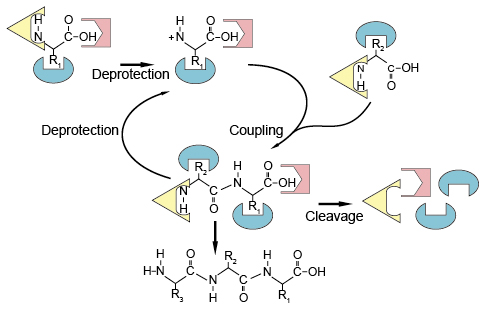
Yes, minor variant in purity can take place in between sets and between different analytical examinations. Peptides are generally analysed using HPLC (High Performance Fluid Chromatography), which determines purity based on chromatographic peak location under certain conditions. If you are seeking research-grade peptides with clear, batch-specific documents, Peptides Skin offers item openness made to sustain even more educated sourcing choices. Buyers can review available item details, consisting of COA-related documents, straight via our catalog prior to positioning an order. For that reason, many buyers check out HPLC and LC-MS together as a more COA Testing powerful documents combination than either method alone.
A certificate of analysis, or COA, is a file that sums up details analytical results for an offered product or set. In the peptide context, it typically consists of pureness information, lot or batch information, test dates, and the logical approach used to generate the reported result. The record normally determines the lab responsible for carrying out the analysis. Laboratories, scientists, and organizations that deal with research peptides depend on standard analytical paperwork to verify the identity and top quality of study products. One of the most vital papers used in this verification process is the peptide certificate of analysis, frequently described as a peptide COA. Every time a batch is made, the procedure is recorded all the way from the primary step to the finished CoA. Having this degree of detail assists a laboratory area anything weird before they proceed a study. With each paper, there's a possibility for the research group to ensure everything is as expected. It comes to be a working reference that aids track what was utilized and just how consistent it is from order to order.